TL;DR Start with an ENT for hearing problems, especially sudden hearing loss, to get an…
Understanding Your Ear Canal: How It Works and Why It Matters
Most people never think about their ear canal until something goes wrong, like earwax buildup, irritation, or an ear infection. However, this small part of the ear plays a crucial role in both hearing and protecting the inner ear. Understanding how it works makes it easier to maintain its health and avoid common issues. Many patients who experience wax-related issues eventually look for earwax buildup treatment to restore comfort and hearing clarity.
TL;DR
The ear canal may be small, but it plays an essential role in hearing and protecting the inner ear. By understanding how it works and caring for it properly, it’s possible to prevent irritation, infections, and damage, and keep ears healthy for years to come.
How Does the Ear Canal Function
Understanding ear canal function is key to appreciating how this small yet vital part of the ear protects your hearing. The ear canal plays a crucial role in safeguarding the eardrum and ensuring the overall health of the ear.
By learning more about the ear canal’s function, you can better care for your ears and prevent potential issues.
A Protective Passageway
The ear canal is about an inch long and lined with delicate skin. Its primary purpose is to protect the eardrum by creating space between the outside world and the inner ear. This distance makes it harder for foreign objects, debris, and bacteria to reach the eardrum and cause damage or infection.
Producing Protective Earwax
The ear canal contains glands that produce cerumen, more commonly known as earwax. This wax isn’t dirt – it’s a protective barrier. Earwax traps dust, dead skin cells, and bacteria, then gradually moves outward as the skin in the canal sheds. This natural cleaning process helps keep the ear canal clear and healthy.
How Do We Hear Sound With The Ear Canal
How do we hear sound? The ear canal acts like a funnel that channels sound waves toward the eardrum. When sound waves strike the eardrum, it vibrates and sets off a chain reaction through the tiny bones of the middle ear and into the fluid-filled inner ear. These vibrations are converted into nerve signals that the brain interprets as sound.
The shape and length of the ear canal even help amplify specific sound frequencies, making them easier to hear.
Why the Ear Canal Can Become Irritated
Because the canal is narrow and hard to see, even minor irritation can be hard to manage. Some common triggers include:
- Dry skin from low-humidity environments like Boise’s high-desert climate
- Allergies that cause inflammation in the canal lining
- Skin conditions such as eczema or psoriasis
- Excess moisture from swimming or hot tubs can create a breeding ground for bacteria
- Aggressive cleaning, especially with Q-tips or other objects that can scratch the delicate skin or push wax deeper
How to Keep the Ear Canal Healthy
- Avoid inserting any objects into the ear canal.
- Let earwax do its job; it will naturally work its way out.
- Dry your ears thoroughly after swimming or bathing.
- Use a safe alcohol-vinegar rinse after swimming if prone to infections.
- Seek medical care if there is persistent itching, pain, hearing loss, or drainage.
When to See an ENT
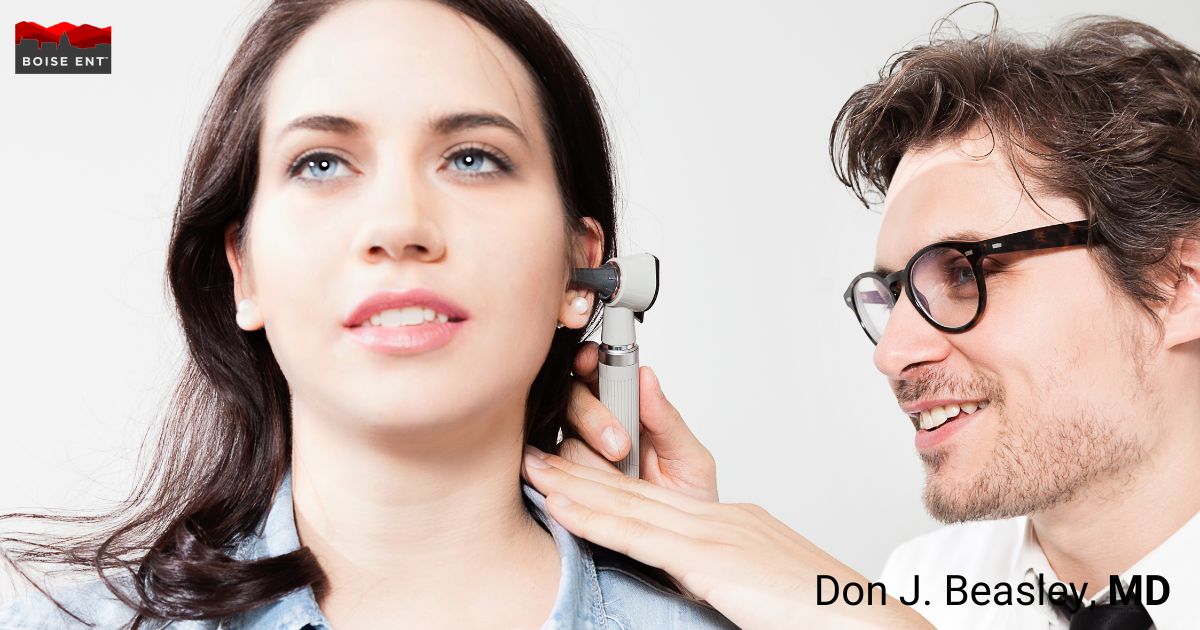
If ear discomfort persists for more than a few weeks or is accompanied by pain, hearing loss, or discharge, it’s important to see an ear, nose, and throat (ENT) specialist. At Boise ENT, ear canals can be safely examined using magnification to identify and treat problems before they become more serious.
Related Posts