
What Is Sinusitis?
Sinusitis, commonly referred to as a sinus infection, is an inflammation or swelling of the tissues that line the sinuses. Your sinuses are hollow air-filled spaces located behind your cheekbones, between your eyes, and up into your forehead. The job of the sinuses is to create mucus to keep your nose moist to prevent dust, allergens, or pollutants from entering your body through your nasal cavity. When the sinuses get blocked and filled with fluid, germs may grow, resulting in an infection. If your sinus symptoms are also affecting your sleep quality, solutions like an at home sleep study in Boise, ID can help identify related sleep issues while you seek sinus treatment. There are a number of conditions that cause sinusitis by creating an unwanted blockage in the sinuses including:
- A common cold
- Allergic rhinitis – the swelling of the lining of the nose
- Nasal polyps – small growths in the lining of the nose
- A deviated septum – when the thin wall between nasal cavities shifts and becomes unbalanced
Sinusitis is a prevalent affliction of which there are two types acute sinusitis and chronic sinusitis. Regardless of whether you are dealing with one of the other you could need to see an ears, nose, and throat doctor near you about your sinusitis to discuss effective treatment options.
Symptoms of Acute Sinusitis
Acute sinusitis occurs when you have two or more of these symptoms and typically lasts for about two to four weeks. If you have thick, green, or yellow nasal discharge, it is most likely acute sinusitis.
The primary signs of acute sinusitis are:
- Facial pain and pressure
- A stuffy nose
- A runny nose
- Loss of smell
- Cough or congestion
- Fever
- Bad breath
- Fatigue
- Dental pain
Acute sinusitis can often be mistaken for a common cold at first although the symptoms will stay localized to the head where a cold can move into the chest and lungs.
Sinus Infection Symptoms
Common sinus infection symptoms include facial pain or pressure, nasal congestion, thick yellow or green nasal discharge, postnasal drip, headache, cough, fatigue, bad breath, and a reduced sense of smell. Unlike a common cold, sinus infection symptoms often last longer than 10 days or worsen after initially improving.
Signs and symptoms of a sinus infection may include:
- Facial pain and pressure around the forehead, cheeks, eyes, or nose
- Nasal congestion or a blocked nose
- Thick yellow or green mucus from the nose
- Postnasal drip (mucus draining down the back of the throat)
- Headache or sinus pressure that worsens when bending forward
- Sore throat caused by excess mucus drainage
- Cough, especially at night
- Reduced sense of smell or taste
- Ear pressure or discomfort
- Upper tooth pain
- Bad breath
- Fatigue or feeling run down
- Fever in some cases
While many sinus infections improve on their own, symptoms that persist for more than 10 days, become severe, or worsen after initially improving may indicate a bacterial infection and should be evaluated by an ENT specialist.
Sinusitis Treatment Options
There are a number of treatments for chronic and acute sinusitis. For a simple sinus infection, the doctor may want you to take a decongestant and use saline nasal washes. However, you should make sure that you don’t take over-the-counter decongestants for more than three days. If the sinusitis persists then it is best to speak with an ENT specialist near you.
Sinus infection treatment may include saline nasal rinses, hydration, steam therapy, over-the-counter medications, and antibiotics when a bacterial infection is present. Most sinus infections improve within 7 to 10 days, but persistent or recurring symptoms may require evaluation and treatment from an ENT specialist. Treatments are designed to reduce inflammation, improve sinus drainage, relieve symptoms, and address the underlying cause of the infection.
At-Home Sinus Infection Treatments
Many mild sinus infections can be managed at home by supporting healthy sinus drainage and reducing congestion. Common home remedies include:
- Saline nasal rinses to flush mucus and irritants from the nasal passages
- Drinking plenty of water and warm fluids to help thin mucus
- Breathing steam from a hot shower or using a humidifier
- Applying a warm compress to the face to relieve sinus pressure
- Getting adequate rest to support the body’s healing process
Over-the-Counter Sinus Infection Treatments
Over-the-counter medications may help relieve symptoms while your body fights the infection. Common options include:
- Decongestants to reduce swelling inside the nasal passages
- Nasal saline sprays to keep nasal tissues moist
- Pain relievers such as acetaminophen or ibuprofen for facial pain and headaches
- Nasal corticosteroid sprays to reduce inflammation and improve breathing
Decongestant nasal sprays should generally not be used for more than three consecutive days unless directed by a healthcare provider.
When Are Antibiotics Needed for a Sinus Infection?
Most sinus infections are caused by viruses and do not require antibiotics. However, antibiotics may be recommended when symptoms:
- Last longer than 10 days without improvement
- Improve and then suddenly worsen
- Become severe, including significant facial pain, swelling, or fever
An ENT specialist can determine whether a bacterial infection is present and recommend the most appropriate treatment.
ENT Treatment for Chronic or Recurring Sinus Infections
If sinus infections continue to return or symptoms become chronic, additional treatment may be necessary. An ENT specialist may recommend:
- Prescription nasal steroid sprays
- Allergy testing and treatment
- Imaging studies to identify structural issues
- Treatment for nasal polyps
- Minimally invasive sinus procedures when appropriate
Seeking treatment for chronic sinus infections can help improve breathing, reduce recurring symptoms, and prevent long-term sinus complications.
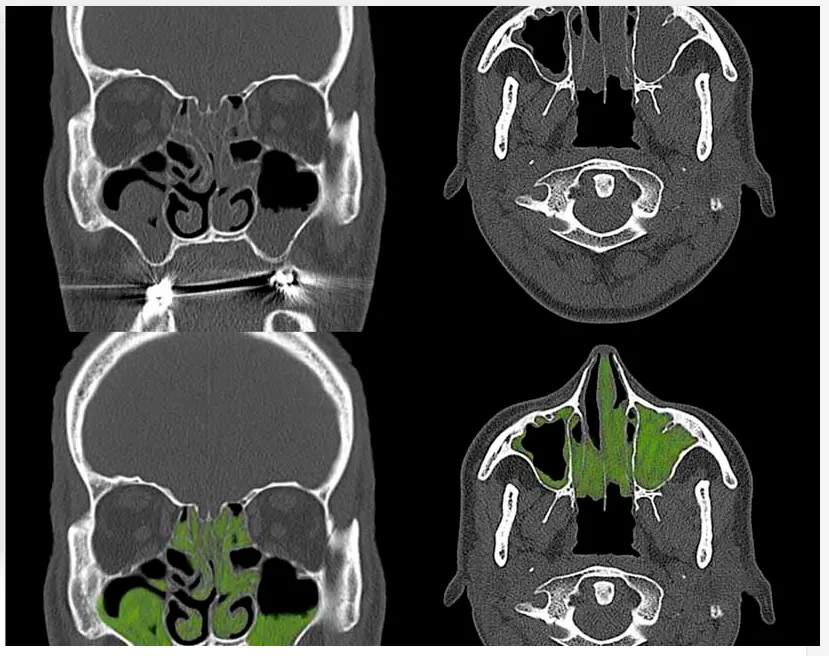
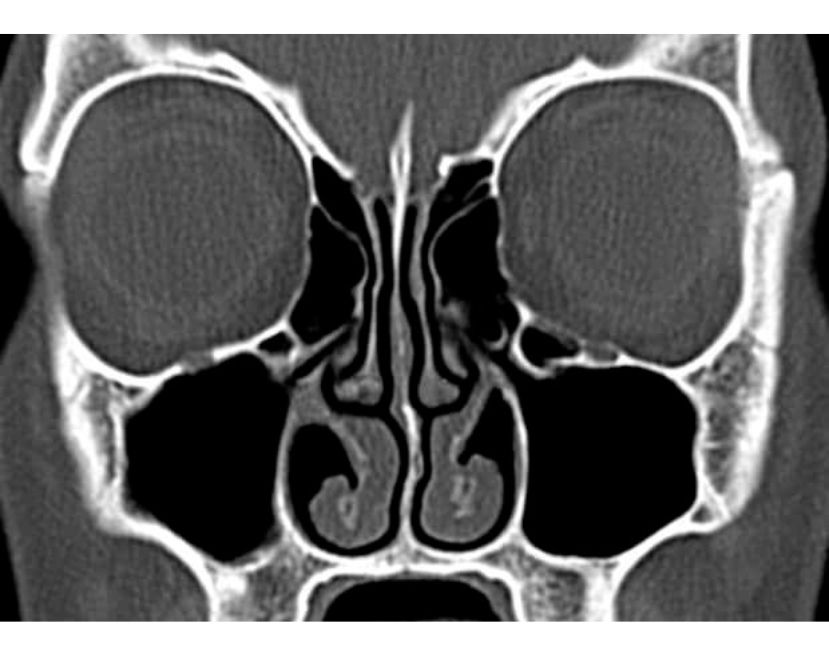
Swipe back and forth to see an abnormal sinus CT scan before and after sinusitis treatment.
The doctor may want to put you on a series of antibiotics. This will probably last for 10 to 14 days. The symptoms that you have will probably abate with this treatment.
Another effective way to treat chronic sinusitis is by breathing warm, moist air into your nasal passages. You can get this from a vaporizer, or you can inhale the steam from a pot of hot water. Be careful not to burn yourself with the steam.
There are other natural remedies used to treat chronic sinusitis that have been generally accepted to help ease sinus infections, but none have ever been proven by medical researchers to cure chronic sinusitis. Read our blog on the myths of natural remedies to sinusitis to learn more.
At-Home Treatments To Help Ease Chronic Sinusitis:
- Apply warm compresses to ease the pain in your sinuses
- Use saline nose drops
- Take over-the-counter decongestant drops or sprays
Your doctor may also give you steroids along with the antibiotics that they prescribe. All of these should help you find relief from your chronic sinusitis.
Other Treatments For Related Sinus Problems
Sinusitis can be accompanied by other afflictions such as allergies, or fungus. When this is the case a secondary method of treatment could be needed to take care of these issues as well as the sinusitis symptoms.
- If you are suffering from allergies, the doctor may give you an antihistamine.
- If you have a fungus, the doctor may prescribe an antifungal medication.
- For immune deficiencies, the doctor may give you immunoglobulin.
Surgical Treatment For Chronic Sinusitis
In certain cases, your local sinusitis doctor might recommend sinus surgery. Especially if you suffer from chronic sinusitis and antibiotics don’t work to clear your sinus infection. This will be the case if the structure of your sinuses is improper, or if nasal polyps are blocking your sinuses. They will need to be removed. There are a number of different types of surgeries that we perform here at Boise ENT Sinus & Snoring Specialists in the treatment of chronic sinusitis to bring relief to our patients including:
- Septoplasty
- Balloon Sinuplasty In-Office
- Functional Endoscopic Sinus Surgery (FESS)
- Turbinate Reduction
- Rhinoplasty
- ClariFix
- Propel
One of our most effective treatment options for chronic sinusitis is our balloon sinuplasty surgery which is done right in our Boise ENT Sinus & Snoring Specialists clinic. This minimally evasive procedure uses a small balloon inserted gently into the sinuses and expanded to help clear any blockages allowing patients to breathe easier once again. Learn more about this incredible procedure on our balloon sinuplasty page.
Contact A Boise Sinusitis Specialist Near You
Sinusitis can be a painful and debilitating condition. However, except in unusual cases, the affliction can be easily treated by an experienced ENT specialist near you. Here at Boise ENT Sinus & Snoring Specialists, we have years of experience helping patients get relief from sinusitis troubles with our effective treatment methods. We also see patients from Nampa, Meridian, Garden City, Eagle, and other surrounding communities, assisting them with their sinus issues. If you are looking for a sinus specialist in or near Boise, ID, contact our office today to set up an initial consultation. (208)-229-2368
We also treat rhinitis—including rhinitis treatment Boise patients rely on— along with deviated septums, nasal injuries, and other nose conditions.
Download Helpful Information
Find PDF versions of the handouts that we give to our patients after their procedures – which include: nasal fracture, tonsillectomy, vocal cord biopsy, PE tube insertion and much more!
See What Our Patients Have To Say About Us
“The entire office was great: knowledgeable, supportive, friendly, easy to get help even after hours. I highly recommend a consult if you suffer from sinus issues. For the first time in my life I can breathe freely through my nose!”
Janene T.
Rating 5/5 ⭐⭐⭐⭐⭐
See our 5.0 rating and read more of our 133+ reviews on Google.